# Dat Thanh Plastic and the Journey of Implementing ESG Standards in the Sustainable Plastics Industry
Explore the journey of implementing ESG standards in the plastics industry at Dat Thanh Plastic. Sustainable, sophisticated, and environmentally responsible PE and HDPE packaging solutions.
A New Vision for Sustainability in the Packaging Industry
The world is changing rapidly. Customers are increasingly concerned about the environment. The plastics industry is facing major challenges. Changing production mindsets is inevitable. Dat Thanh International clearly understands this mission. We do not just produce plastic packaging; we create sustainable values. This journey begins with a deep understanding: applying ESG standards in the plastics industry into practice. This is not just a temporary trend; it is the compass for all of Dat Thanh’s activities. We believe that plastic can be friendlier. The combination of technology and responsibility is the key. Every product leaving the factory carries great passion. We are committed to protecting the shared ecosystem.
Deep Understanding of ESG Standards in the Plastics Industry
ESG stands for three important pillars: Environmental, Social, and Governance. In the plastics industry, ESG plays a crucial role. It helps businesses optimize natural resources. ESG standards in the plastics industry help minimize negative impacts. Dat Thanh recognized this importance early on. We build long-term development strategies where transparency is prioritized. The Environment is our top priority, followed by responsibility toward the community and employees, and finally, a professional and fair governance apparatus. These three factors create internal strength, helping Dat Thanh stand firm in the international market. Customers always feel secure when partnering with us.
Environmental Pillar: Sophistication in Recycling and Production
Modern and Energy-Efficient Production Technology
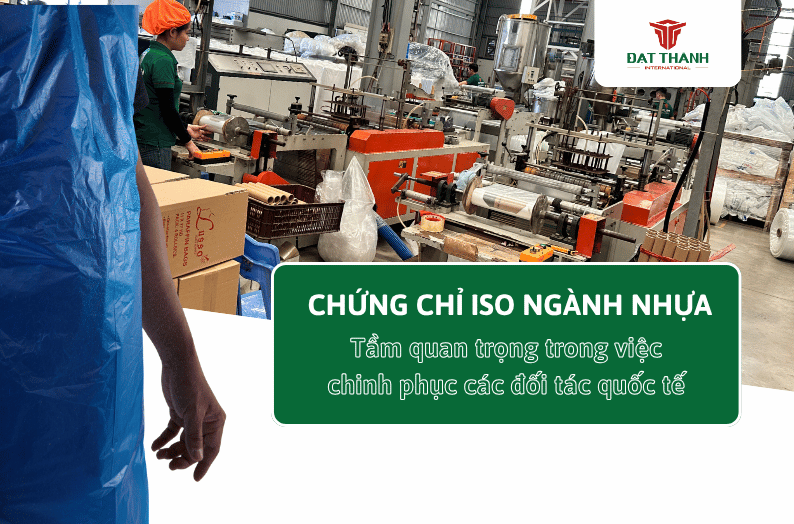
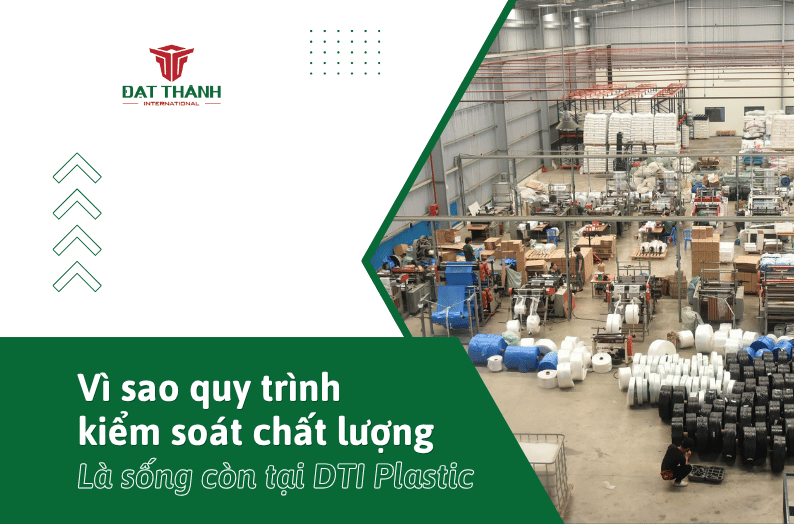
We invest heavily in machinery. New equipment helps maximize electricity savings. The production process is completely closed-loop, which helps minimize emissions into the environment. Dat Thanh prioritizes the use of renewable energy; solar panels are installed extensively. We strictly control water consumption, and every drop is treated before discharge. This meticulousness makes a big difference. We do not accept resource waste. Machine efficiency always reaches the optimal level. Technical staff regularly maintain the system to avoid material leakage. Every stage is monitored by experts.
High-Quality Recycled Plastic Solutions
PE and HDPE plastics have excellent recyclability. We encourage customers to use recycled resin. Products made from recycled plastic still ensure durability, with packaging surfaces remaining smooth and consistent. We apply ESG standards in the plastics industry to classification. Plastic waste is collected and processed systematically. This process helps extend the material’s life cycle. Dat Thanh strives to reduce the amount of virgin resin used. We seek clean, safe raw material sources. Consumer safety is a priority; products contain no toxic chemicals. We are proud of the purity of our plastic. Customers will immediately feel the high quality. Each bag is a technical masterpiece.
Social Pillar: People as the Heart of Development
Professional and Humanistic Working Environment
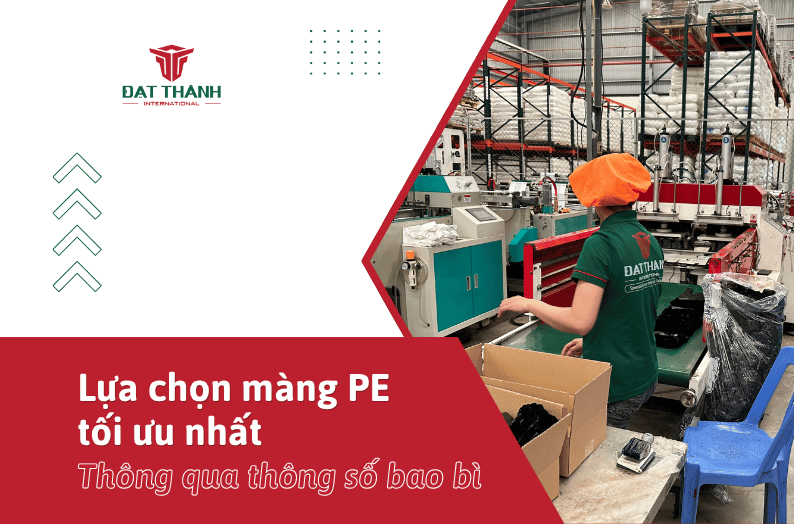
Employees are Dat Thanh’s most valuable asset. We build a safe workspace where all labor safety rules are strictly implemented. We regularly organize training sessions where employees are updated on ESG standards in the plastics industry. Salaries and bonuses are always competitive and fair. We respect individual differences, and every contribution is sincerely heard. Cohesion creates great collective strength. Dat Thanh is like a large, united family. We provide periodic health checks for employees and organize frequent extracurricular activities. Employee happiness is the company’s success. Together, we build a bright future.
Responsibility to the Local Community
Dat Thanh is inseparable from the social community. We regularly participate in charitable activities, with educational support being a priority. Many scholarships have been awarded to underprivileged children. We also support infrastructure construction. Environmental protection programs are strongly supported. We organize plastic waste collection sessions to raise local awareness. We want to create a clean living environment. The company’s development goes hand in hand with the community. We believe in the power of compassion; every small action brings about big changes. Dat Thanh always accompanies common prosperity.
Governance Pillar: The Solid Foundation of Trust
Transparency and Business Ethics
Corporate governance at Dat Thanh is very strict. We comply with all legal regulations. Transparency is reflected in our reports; shareholders and partners are always fully informed. We oppose all forms of corruption and bribery. Business ethics is our most core value. All transactions are based on honesty. We build a good internal control system where risks are identified and handled promptly. ESG standards in the plastics industry help manage more effectively. We are confident in facing all challenges. Our reputation helps Dat Thanh go far globally. Partners always appreciate this professionalism. We protect the interests of all stakeholders.
Long-term Sustainable Development Strategy
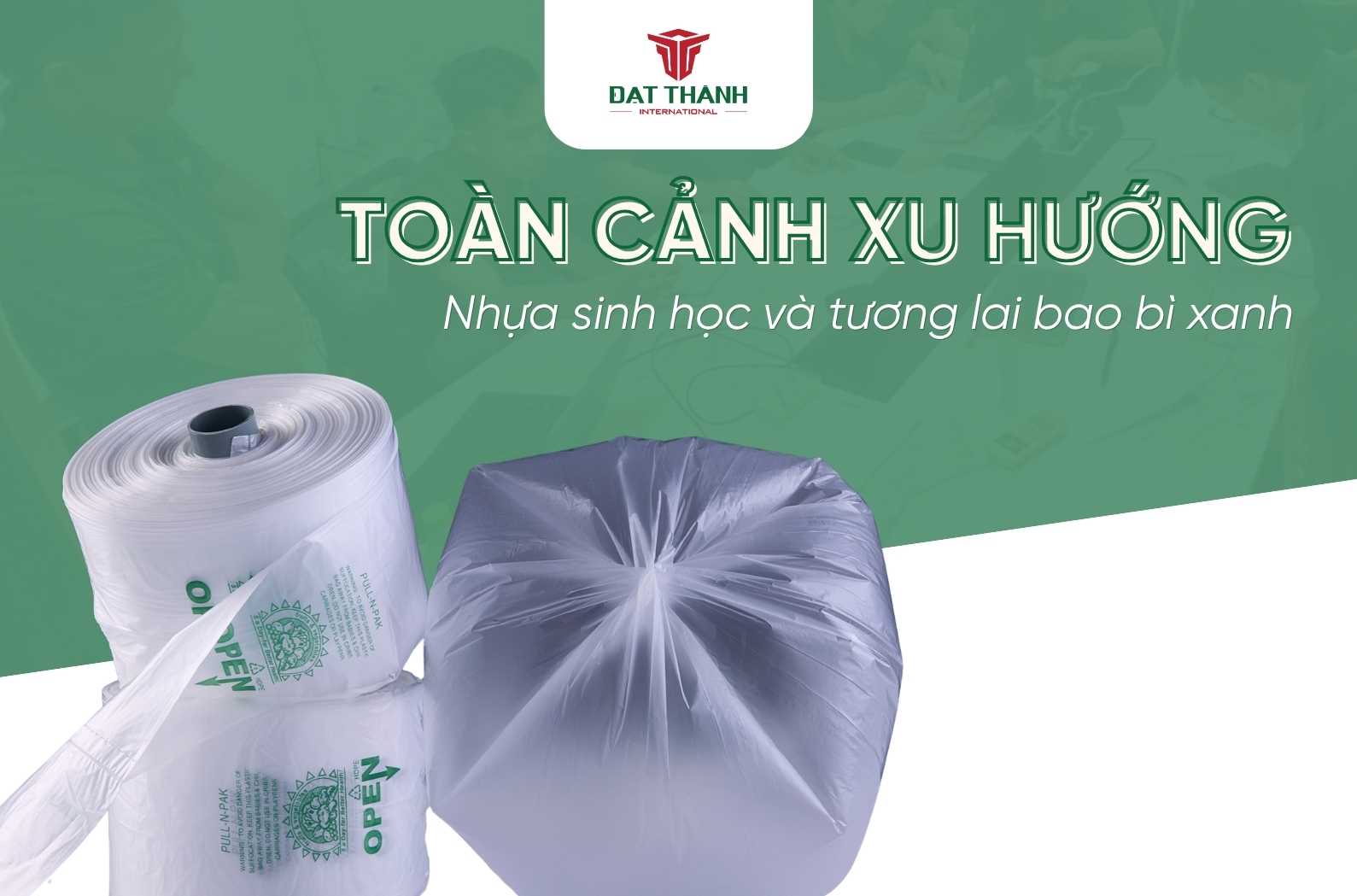
We do not chase short-term profits. Dat Thanh’s vision is for the next 20 years. We invest in research and development (R&D). New friendly materials are being tested. We collaborate with leading research institutes with the goal of creating biodegradable bioplastics. The management process is continuously updated. We learn from multinational corporations. Innovation happens daily at the factory. We are ready for all fluctuations. Flexibility helps Dat Thanh adapt extremely quickly. We lead the current sustainable plastic trend. Customers always receive optimal solutions. We are committed to going with you to success.
Sophistication and Class in Every Packaging Product
PE and LDPE Plastics: Transparency and Flexibility
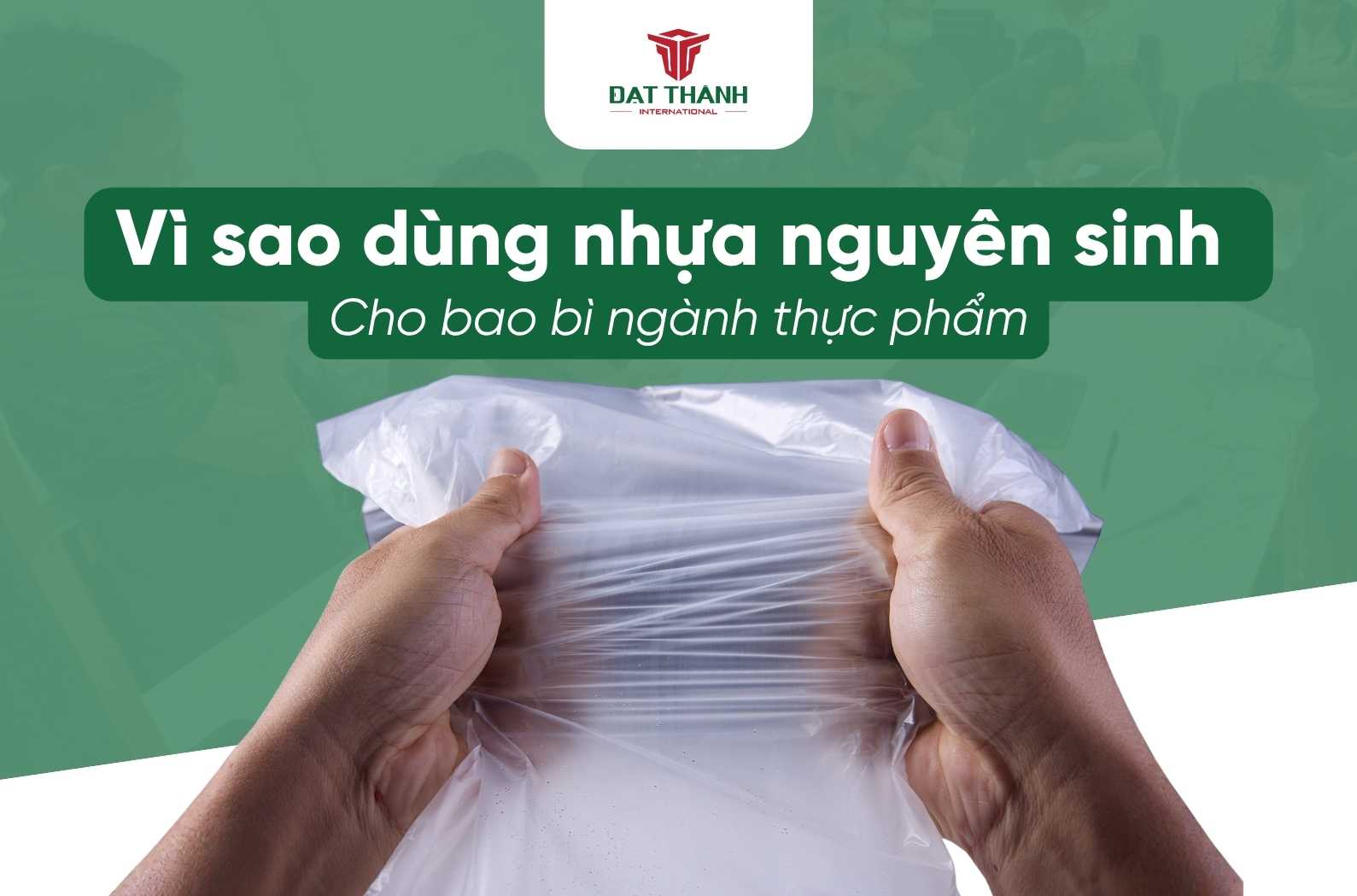
Dat Thanh’s PE products have a characteristic gloss. We use high-grade virgin resin. Their toughness helps the packaging withstand forces extremely well. You can stretch it without fear of tearing. The surface of LDPE bags is as smooth as high-end silk, enhancing the value of the product inside. We provide many sizes and thicknesses. All strict customer requirements are met. Printing colors on the bags are always sharp and durable. We use eco-friendly printing inks, which aligns with general ESG standards in the plastics industry. Our packaging is not just for containing; it is also an effective brand communication tool. Luxury is shown through every small detail.
HDPE Plastics: Durability and Rigidity
Our HDPE plastic is famous for its durability. It has absolute waterproof capabilities and can withstand the impact of many types of chemicals. This is the perfect choice for the packaging industry. Dat Thanh optimizes the plastic molecular structure, which helps HDPE bags be thin yet very strong. You will save significant material costs. Our products meet international export standards. We check quality through many stages; no defective products are allowed to leave the factory. Meticulousness creates the reputation for Dat Thanh Plastic. We understand customers need absolute reliability. Our HDPE is proof of that.
Addressing Current Misconceptions About the Plastics Industry
Many people think that plastic always harms the environment. This is an incomplete view. Plastic is a material that can be recycled many times; the problem lies in how we manage it. Dat Thanh is changing society’s perception. We prove that plastic can be very sustainable. The implementation of ESG standards in the plastics industry is evidence. If handled correctly, plastic is a valuable resource. It helps preserve food longer, reducing waste. Plastic is lighter than other materials like glass, which helps reduce emissions during transportation. We guide customers on how to use plastic correctly. Reuse is the best way to protect the planet. Dat Thanh is always a pioneer in market education. Let’s use plastic smartly together.
Why Should Businesses Choose Dat Thanh as a Partner?
Superior and Consistent Quality
We commit to consistent product quality. Dat Thanh never compromises on standards. Every batch achieves the highest level of perfection. Customers will not have to worry about incidents. We accompany you in every project. Stability helps your process run smoother. We always deliver on time and according to requirements. Our consulting team is enthusiastic and has deep professional knowledge. We help you choose the most suitable type of plastic, optimizing costs for your business. Dat Thanh always puts customer interests first. We build relationships based on trust. Your satisfaction is the measure of our success.
Prestige from Implementing ESG Standards in the Plastics Industry
Choosing Dat Thanh is choosing true sustainability. We help your business enhance its image. When using packaging that meets ESG standards, you score points. Consumers will trust your brand more. We provide all necessary environmental certificates, helping you easily export goods. Demanding markets like Europe are very strict; they require rigorous ESG standards in the plastics industry. Dat Thanh is confident in helping you overcome those barriers. We don’t just sell products; we sell solutions. Our professionalism is your advantage. Let us protect your brand value. A green future starts with the right choices.
Conclusion for a Persistent Journey
Dat Thanh International will constantly strive further. The ESG journey is still very long and challenging. We are ready to face and overcome it all. Customer support is our greatest motivation. We will continue to improve technology every day. The goal is to become a leading green plastic enterprise. Dat Thanh Plastic commits to maintaining core values. Sophistication, durability, and responsibility always go together. We believe in a future without waste. Plastic will become part of the green economy. Let’s join Dat Thanh in writing this meaningful story. We are always ready to welcome new partners. Please contact us to develop together. Perfection in packaging awaits you. Thank you for trusting Dat Thanh International. We will make a difference together.
Dat Thanh Plastic is always proud of what it has done. We constantly learn and reach further. Each plastic granule carries the mission of protecting the environment. We cherish the trust from our partners. Let’s build a better world together. ESG standards in the plastics industry will always be a solid foundation. Dat Thanh – The perfect choice for green businesses. We commit to bringing the most sustainable value. Welcome to the world of high-end plastics. Dat Thanh Plastic – The essence of international plastic packaging.