

In the packaging manufacturing and supply industry, polyethylene (PE) is the most common group of materials due to its high versatility and optimal product protection capabilities. However, the PE group of plastics is divided into many variations with distinct physical and mechanical properties. For procurement officers and supply chain managers, understanding how LDPE, HDPE, and LLDPE differ is crucial for optimizing costs and ensuring the safety of goods throughout the logistics process.
What are LDPE, HDPE, and LLDPE? What are the key differences?
Polyethylene is synthesized from ethylene monomer chains, but different polymerization methods will produce different molecular structures. This is the factor that directly determines the density and mechanical properties of each type of PE plastic.
How does molecular structure determine its properties?
- LDPE (Low-Density Polyethylene): LDPE possesses a long, densely branched molecular chain structure. These branches prevent the polymer chains from stacking tightly together, creating a looser bond. Therefore, LDPE has low density, superior toughness, and high elasticity, but its tensile strength is more limited.
- HDPE (High-Density Polyethylene – High-Density PE): HDPE has a linear molecular chain structure with very few branches. Thanks to this structure, the polymer chains can be packed tightly together, creating a high molecular density. This gives HDPE its rigidity, high tensile strength, and excellent chemical resistance.
- LLDPE (Linear Low-Density Polyethylene – Linear Low-Density PE): Unlike LDPE, LLDPE has a linear molecular chain structure with short, evenly distributed branches. This combination allows LLDPE to retain the flexibility and toughness of low-density PE while significantly increasing its tensile strength and puncture resistance.
Quick comparison table: density, strength, ductility, heat resistance
To help Partners easily distinguish technical data, DTI provides the following summary table of basic mechanical parameters:
| Comparative Criteria | LDPE | HDPE | LDPE |
|---|---|---|---|
| Density | 0.910 - 0.925 g/cc | 0.941 - 0.965 g/cc | 0.915 - 0.925 g/cc |
| Flexibility & Elasticity | Very high | Low (Stiff) | Cao |
| Tensile strength | Medium | Very high | Cao |
| Puncture resistance | Medium | Cao | Excellent |
| Melting temperature | ~105°C – 115°C | ~120°C – 130°C | ~120°C – 125°C |
| Transparency (Visual) | Tall (Most transparent) | Low (Dull/Opaque) | Average (Slightly blurry) |
LDPE – When should you choose it?
Key features (flexible, transparent, easy to weld and bond)
LDPE stands out with its smooth surface and high transparency, providing excellent aesthetics for product packaging. Its relatively low melting point (approximately 105°C to 115°C) allows for rapid heating and sealing of the bag edges, creating a tight seal to protect the contents from moisture and air.
Practical applications: wrapping film, lightweight packaging bags, protective lining.
Thanks to its flexibility and high aesthetic appeal, LDPE is the preferred choice when selecting PE plastic materials for various lightweight packaging applications such as:
- Zipper bags, high-end shopping bags, require a smooth and glossy surface.
- Liner film is used inside cardboard boxes or sacks to prevent water leakage.
- Food wrap and shrink wrap protect electronic components from scratches.
HDPE – When should you choose it?
Key features (hardness, strength, chemical resistance)
HDPE possesses superior mechanical strength compared to the other two types of PE. With its tight molecular structure, HDPE can withstand heavy loads, resist abrasion, and withstand the penetration of many harmful chemicals, acids, alkalis, or organic solvents without deformation.
Practical applications: load-bearing packaging, bottles, pipes.
Supermarket plastic bags (T-shirt bags) are notable for their good tensile strength despite being very thin.
- Supermarket plastic bags (T-shirt bags) are notable for their good tensile strength despite being very thin.
- Plastic bottles, jars, and containers hold detergents, industrial chemicals, and lubricants thanks to their superior chemical resistance properties.
- Plastic pallets, industrial containers, and high-pressure water piping systems.
LLDPE – When should you choose it?
Key features (puncture resistance, better tensile strength than LDPE)
The inherently short-branched linear structure of LLDPE gives it incredible mechanical toughness. When subjected to the sharp edges of goods, LLDPE does not easily tear but instead stretches to absorb the force, providing maximum puncture resistance and tear strength.
Practical applications: pallet wrapping film, heavy-duty bags, agricultural film.
In transportation and supply chain operations, LLDPE plays an irreplaceable role:
- Industrial PE film (Stretch film): Used to wrap and secure packages on pallets during storage and long-distance transport, ensuring the goods remain stable and do not fall over.
- Sacks for packaging fertilizers, animal feed, and commercial plastic pellets (items that are heavy and whose packaging is easily torn).
- Agricultural films and greenhouse films are notable for their ability to withstand prolonged exposure to external weather conditions.
Summary Table: Which PE type is right for your industry?
Food and consumer packaging industry
The top priorities in this industry are food safety and hygiene, as well as high aesthetic appeal to attract consumers.
- SolutionHDPE combines LDPE (for transparency and easy heat sealing) with a certain proportion of LLDPE (to increase toughness and prevent tearing). For bottles containing milk or juice, HDPE is a safe choice.
Agriculture industry
The materials need to have high weather resistance, good UV resistance, and be able to withstand mechanical impact from the natural environment.
- Solution: LLDPE is the primary plastic used in agricultural mulching films due to its high tensile strength and breaking strength when stretched over large surface areas.
Industry and logistics
The core of logistics operations is protecting the integrity of large volumes of goods, minimizing the risk of damage or shifting of packages during domestic and export transportation.
- Solution: Industrial PE film made from 100% virgin LLDPE resin is the optimal solution for pallet wrapping, optimizing packaging material costs by 20% to 30% for businesses thanks to its maximum stretchability of up to 300%.
Why is choosing the right PE material more important than cost?
In B2B industrial procurement, over-focusing on finding the cheapest supplier often leads to significant operational risks. Incorrectly blended or recycled plastic granules can result in brittle, easily torn packaging films, or fail to meet the stringent export standards of markets like the US or Europe.
Collaborating with a reputable supplier of virgin PE resin , with strict control over the raw material supply chain, will bring practical and sustainable value:
- Ensure product uniformity: The packaging film has a uniform thickness and precise specifications down to the micron, ensuring no tearing occurs during automatic packaging machine operation.
- Optimize operating costs: Choosing the right type of plastic (for example, using LLDPE instead of LDPE in wrapping film) helps reduce film thickness while maintaining strength, directly reducing the amount of plastic consumed per package.
- Meet international standards: Ensuring all necessary safety certifications, such as FDA (for food) or ISO standards, facilitates smooth customs clearance and enhances the company's brand reputation internationally.
DTI Plastic – PE packaging solutions tailored to your specific application needs.
Production capacity and technical consulting
Dat Thanh International (DTI Plastic) positions itself as a reliable PE packaging manufacturing and processing partner for domestic and international B2B businesses. We don't aim to compete by boasting about our capabilities based on subjective feelings, but rather focus on transparency in our operational processes and providing factual technical data.
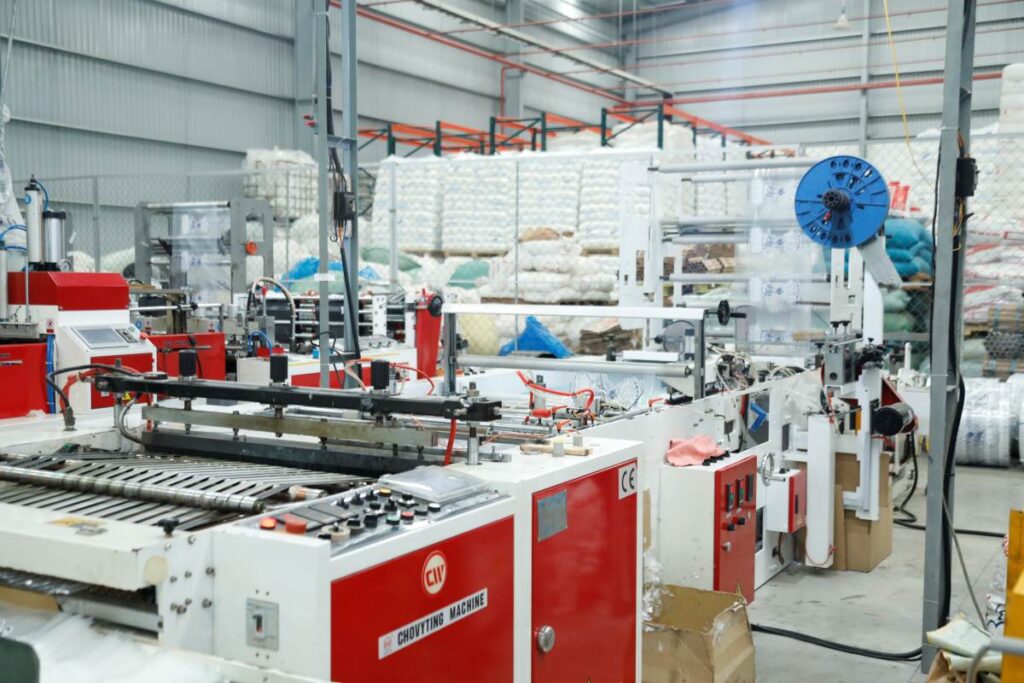
DTI owns a factory system operating under strict quality control standards, ready to provide diverse PE packaging solutions (LDPE, HDPE, LLDPE) to suit the cost requirements of each specific industry. DTI's engineering team will provide in-depth consultation and thorough analysis of your product characteristics to determine the most optimal film design and material, helping your business maximize packaging efficiency.
For more practical experience and to find the most effective packaging investment solution for your business, please contact DTI Plastic directly via hotline (+84) 971 885 053 or (+84) 908 505 788 to receive a detailed quote and in-depth consulting services.